


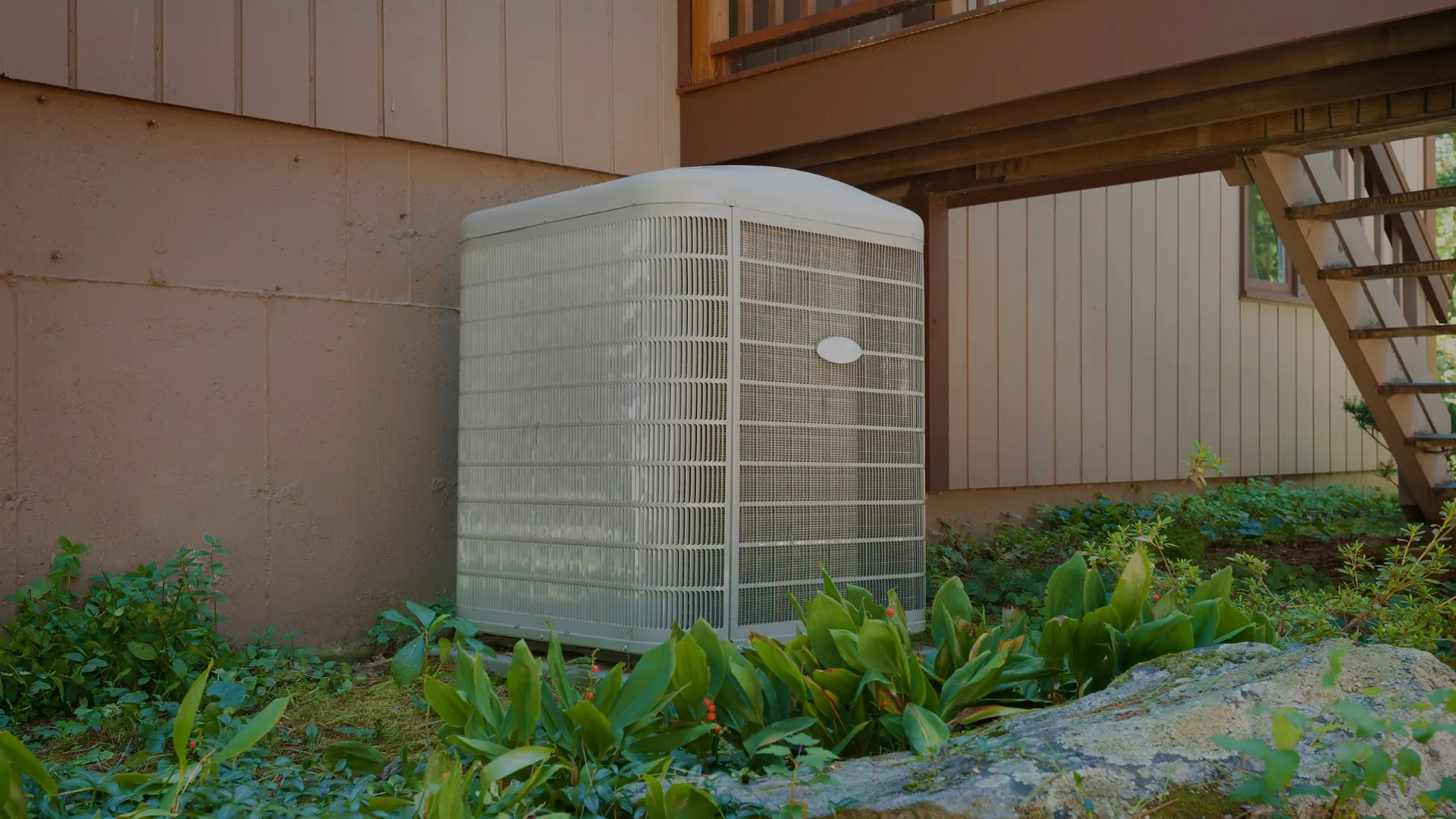
Heating & Air Conditioning Services in Chicago
Green Attic’s expert HVAC services help optimize indoor comfort, improve energy efficiency, and reduce utility costs for Chicago homes and businesses year-round.

Trusted by homeowners for reliable, energy-saving insulation solutions.



Request a Quote Today
Please Fill Out the Form Bellow
First name *
Last name *
Email *
Phone *
Address, City, State, Zip *
Tell us more about your project
Get a Free Quote



Cooling Services in Chicago
Chicago's brutal summers don’t just test your AC—they expose outdated systems that consume energy and fail when you need them most.
Modern high-efficiency units aren’t just more reliable; they can reduce your cooling costs by up to 40% while creating a pleasant home life.
At Green Attic Insulation, we go beyond standard installations by pairing premium AC systems with attic insulation and duct sealing—a dual approach that maximizes efficiency.
Modern high-efficiency units aren’t just more reliable; they can reduce your cooling costs by up to 40% while creating a pleasant home life.
At Green Attic Insulation, we go beyond standard installations by pairing premium AC systems with attic insulation and duct sealing—a dual approach that maximizes efficiency.
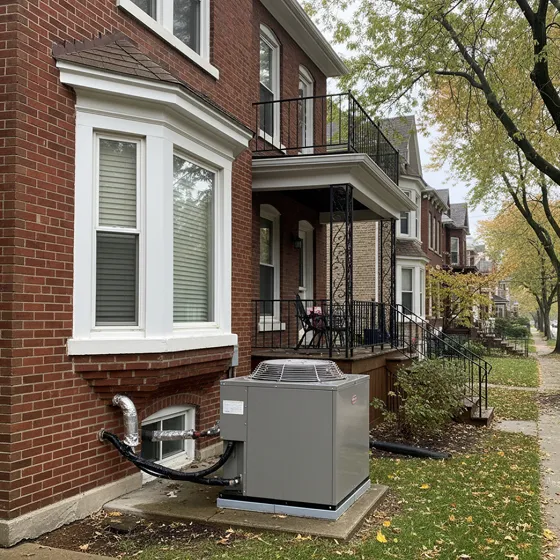
Our affordable solutions include:
- High-Efficiency AC Installations: These installations feature the newest industry-leading systems with the highest SEER ratings.
- Smart Thermostat Integration: Control your cooling from anywhere, adjusting to your schedule and minimizing energy waste.
- Emergency Repairs: You can rely on same-day service when the summer heat is at its peak.
- Duct Sealing & Insulation: Use duct sealing to prevent cool air from escaping through leaks and to upgrade airflow efficiency.

Chicago’s Trusted Heating Solutions
Chicago winters demand more than just a working furnace - they require an efficient system designed for extreme cold. Heating consumes a major share of energy bills, especially with outdated equipment.
A failing furnace doesn’t just leave you cold; it risks costly damage from frozen pipes and uneven heating. Upgrading to a high-efficiency system keeps your home safe, warm, and budget-friendly all season long.
A failing furnace doesn’t just leave you cold; it risks costly damage from frozen pipes and uneven heating. Upgrading to a high-efficiency system keeps your home safe, warm, and budget-friendly all season long.
We help homeowners invest in smarter solutions:
- Energy-Star Certified Furnaces & Boilers: Modern systems that maximize heat output while minimizing fuel consumption and operating costs.
- High-Performance Attic Insulation: Our eco-friendly insulation reduces heat loss by up to 25%, ensuring your furnace works less while keeping your home warmer.
- 24/7 Heating Repairs: When winter emergencies strike, our rapid response team prevents frozen pipes and restores heat quickly.
- Smart Thermostat Integration: Optimize your heating schedule for comfort and savings with easy-to-use, Wi-Fi-enabled controls.
Commercial HVAC
Your commercial property’s comfort directly impacts customer satisfaction, employee productivity, and operational costs.
At Green Attic Insulation, we deliver 24/7 emergency service and cutting-edge HVAC solutions—backed by factory-trained technicians who prioritize your business’s uptime.
Unlike standard providers, we go beyond repairs to offer comprehensive climate control advantages:
At Green Attic Insulation, we deliver 24/7 emergency service and cutting-edge HVAC solutions—backed by factory-trained technicians who prioritize your business’s uptime.
Unlike standard providers, we go beyond repairs to offer comprehensive climate control advantages:
Get a Free Estimate
Our Proven Process
Step 1: Assessment
Assessment
We inspect your home or business to understand your heating and cooling needs, energy efficiency goals, and existing system performance.
Step 2: Planning
You’ll receive personalized recommendations for HVAC systems, upgrades, or repairs—designed to fit your space, budget, and Chicago’s climate.
Step 3: Installation
Our certified technicians handle the installation with precision and care, ensuring minimal disruption and maximum efficiency.
Step 4: Results
Enjoy year-round comfort, improved air quality, and energy savings with a professionally installed and optimized HVAC system.
What Puts Green Attic On Top?
Green Attic Insulation stands out with its exceptional offerings and commitment to customer satisfaction. Here's why we areon top:

Life Time Warranty on Cellulose

Life Time Warranty on Solar FanFrom Manufacture

5 Years Warranty on Attic Insulation
With GreenAttic, you can trust that you're getting the best products, expert installation, and long-term protection for your attic.
Get a Free Consultation
Frequently Asked Question
What is the $5,000 rule for HVAC?
The $5,000 rule for HVAC is a quick, practical way to guide your decision: multiply your system’s age (in years) by the repair cost to see whether a repair or replacement is likely to offer the best overall value. If the total is over $5,000, replacing the unit often delivers stronger long-term value; if it is under $5,000, repairing is typically a cost-effective way to keep your system running well.
For example, if a 12-year-old unit needs a $400 repair, the total is $4,800, which makes repairing a strong, budget-friendly choice. It’s a helpful starting point, and you can pair it with a technician’s opinion and your system’s overall condition for extra confidence.
For example, if a 12-year-old unit needs a $400 repair, the total is $4,800, which makes repairing a strong, budget-friendly choice. It’s a helpful starting point, and you can pair it with a technician’s opinion and your system’s overall condition for extra confidence.
How much to replace HVAC for a 2,000 sq ft house?
Replacing an HVAC system for a 2,000 sq ft house typically costs $7,000 to $14,000, and many homeowners are pleasantly surprised to find their project lands around $10,000 to $12,000 for a complete professional installation (equipment plus labor).
Prices vary in a helpful, predictable way based on the system type (heat pump vs furnace and AC), efficiency level (SEER), and whether your ductwork needs updates. If your ducts are in good shape and the installation is straightforward, it is often easier to stay closer to the lower end of the range, making your overall replacement budget go further.
Prices vary in a helpful, predictable way based on the system type (heat pump vs furnace and AC), efficiency level (SEER), and whether your ductwork needs updates. If your ducts are in good shape and the installation is straightforward, it is often easier to stay closer to the lower end of the range, making your overall replacement budget go further.
Will upgrading my HVAC system help me qualify for energy rebates or tax incentives offered in Illinois or by local utility programs?
Yes, upgrading your HVAC system can help you qualify for energy rebates or tax incentives. Through 2032, you can claim 30% of project costs up to $2,000 per year for heat pumps and up to $600 for high-efficiency furnaces or central AC, and these savings are often stackable with Ameren Illinois or ComEd programs.
To make it easy, choose an ENERGY STAR qualifying model and work with a licensed contractor who can help confirm eligibility and handle rebate paperwork.
To make it easy, choose an ENERGY STAR qualifying model and work with a licensed contractor who can help confirm eligibility and handle rebate paperwork.
Can my existing ductwork support a new HVAC system?
Yes, your existing ductwork can often support a new HVAC system, especially if the ducts are in good condition and properly sealed.
The best results come when the ductwork is correctly sized to deliver the airflow a modern, high-efficiency unit needs. If your ducts are older (often 15 to 20 years), leaking, or causing uneven temperatures or higher energy bills, a few targeted repairs or updates can help your new system perform at its best.
A qualified HVAC technician can quickly verify compatibility by performing a duct inspection and a load calculation, giving you clear confidence that your new system will run efficiently and deliver comfortable airflow throughout your home.
The best results come when the ductwork is correctly sized to deliver the airflow a modern, high-efficiency unit needs. If your ducts are older (often 15 to 20 years), leaking, or causing uneven temperatures or higher energy bills, a few targeted repairs or updates can help your new system perform at its best.
A qualified HVAC technician can quickly verify compatibility by performing a duct inspection and a load calculation, giving you clear confidence that your new system will run efficiently and deliver comfortable airflow throughout your home.
How do I know which HVAC brand or system size is right for my home?
To know which HVAC brand and system size are right for your home, have a professional perform a Manual J load calculation, which uses details like your insulation, windows, ceiling height, and local climate to match you with the most comfortable and efficient fit, rather than relying solely on square footage.
As a rough guide, most homes fall in the 1.5-5 ton range (often about 1 ton per 500-600 sq ft), but the load calculation helps ensure the system runs efficiently and maintains consistent humidity and comfort. Once sizing is confirmed, you can compare trusted brands like Trane, Carrier, and Rheem based on your budget, warranty, and efficiency ratings (SEER or AFUE).
As a rough guide, most homes fall in the 1.5-5 ton range (often about 1 ton per 500-600 sq ft), but the load calculation helps ensure the system runs efficiently and maintains consistent humidity and comfort. Once sizing is confirmed, you can compare trusted brands like Trane, Carrier, and Rheem based on your budget, warranty, and efficiency ratings (SEER or AFUE).
Service Areas
Northwest Suburbs

North Shore
Learn More


