


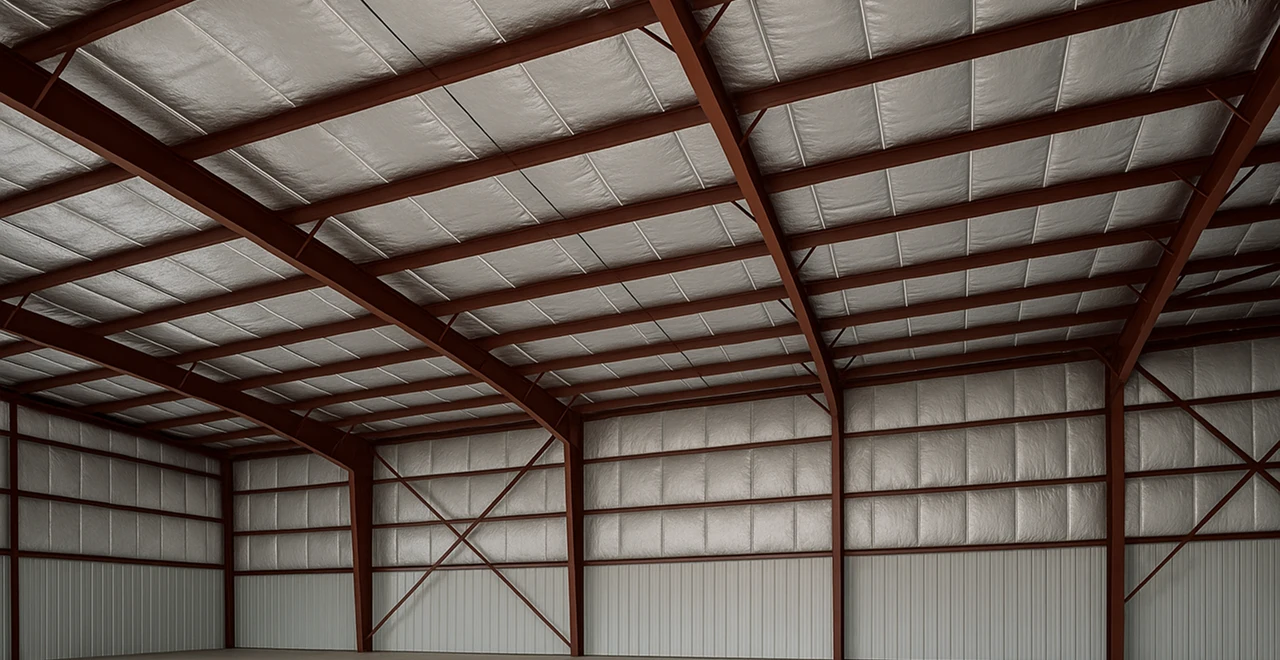
Metal Building Insulation in Chicagoland




Request a Quote Today



Why Insulate a Metal Building?
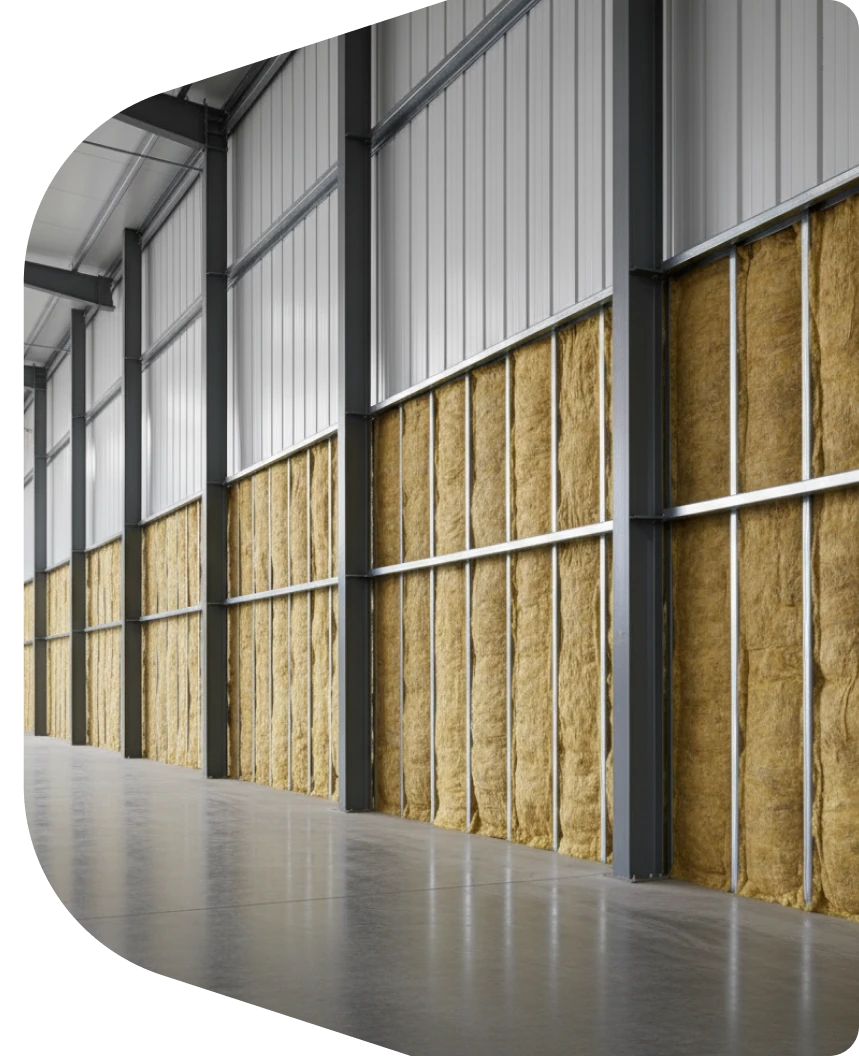
Metal buildings perform best with a properly designed insulation assembly. Faced blankets or liner systems add continuous thermal resistance, and correct vapor control keeps moisture away from cold steel.


Metal Building Insulation Services
Spray Foam Insulation
Targets gaps and complex transitions for tighter assemblies. Specify vapor control at metal surfaces.
Fiberglass Blanket
Low-cost coverage for roof and walls with FSK or white vinyl facing. Fire and sound resistant when installed to spec.
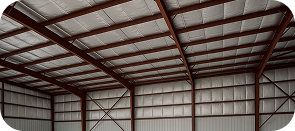
Liner Systems
Interior liner with white finish for a clean look and higher reflectance. Useful for retrofits and reroofs.
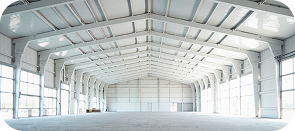
Rigid Foam Board CI (Polyiso, XPS, EPS)
Continuous wall or roof insulation with taped seams and approved attachment. Good for code targets.
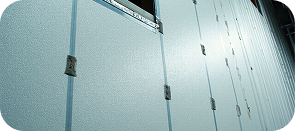
Insulated Metal Panels (IMPs)
Factory-made panels with foam cores and metal skins. Fast install and premium finish for walls or roofs.

Loose-Fill / Blow-In
Dense-pack cavities and overhead spaces in offices or stud walls within metal buildings. Adds acoustic performance.
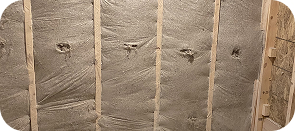
Benefits for Metal Buildings


179D Deduction for Metal Building Insulation
Metal building envelope upgrades are among the most common qualifying improvements under the IRS Section 179D deduction. These projects are worth up to $5.65 per square foot when ASHRAE Standard 90.1 energy reduction thresholds are met. On a 30,000 sq ft facility, that can be a six-figure tax benefit. However, construction must begin before June 30, 2026 to qualify under current law.

Deadline alert: Construction must begin before June 30, 2026 to qualify under current law.
Green Attic provides the documentation your tax advisor needs to file a 179D certification claim.
Commercial and Industrial
Properties We Serve

Office Buildings

Commercial Plazas

Medical / Hospitals

Manufacturing Facilities

Multi-Family Units

Metal Buildings

Warehouses

Institutional / Schools
Our Proven Process
Step 1: Plans & Scope Review
Step 2: Planning
Step 3: Installation
Step 4: Results
Frequently Asked Question
What type of insulation is best for a metal building?
If you want the most durable, high-performance solution for tight climate control, Insulated Metal Panels are a premium choice that combines efficiency and strength. In hot climates, adding a radiant barrier can also boost comfort by reflecting heat and keeping the building cooler.
How to insulate a metal building that is already built?
If you like a classic insulation approach, adding interior framing for fiberglass batts works really well, and sealing seams first with foam tape or caulk helps lock in better airflow control and stronger overall performance.
For a budget-friendly comfort boost, radiant barrier bubble foil can also be added to reflect heat and improve temperature control.
Should I choose fiberglass, foam board, spray foam, or a reflective system to insulate my metal building?
For hot climates or non-conditioned storage, a reflective radiant barrier can dramatically reduce heat gain, and rigid foam board is a durable, moisture-resistant choice that provides strong R-values in walls or under slabs.
The best fit is easy to dial in based on whether you heat and cool the building every day and the level of condensation control you want for long-term comfort and protection.
Can insulation be added to my existing metal roof or wall panels without having to replace or remove major structural components?
Popular retrofit options include applying closed-cell spray foam to the underside of panels, fastening rigid foam boards to the interior, or installing fiberglass batts between existing framing, all of which boost comfort and help control condensation.
With basic moisture management and proper support, you can upgrade performance with minimal disruption.
Will commercial insulation deliver measurable long-term value by improving thermal performance, reducing HVAC load, and increasing lease appeal?
Better insulation keeps temperatures more consistent, reduces HVAC wear and maintenance, and can strengthen lease appeal by improving comfort and efficiency over time.


