


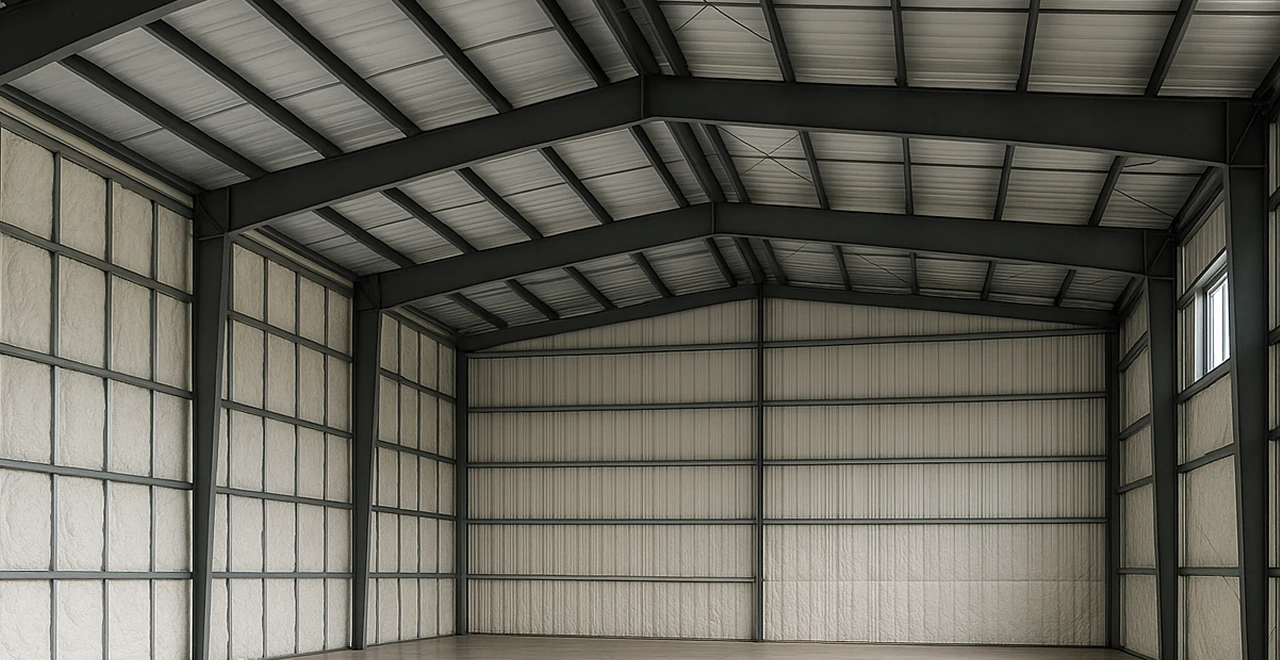
Warehouse Insulation in Chicago and Suburbs





Request a Quote Today



Why Insulate a Warehouse?
Wide open volumes, high roofs, and active dock doors make warehouses tough to heat and cool. Without the right insulation and vapor control, you get hot and cold zones, condensation at the roof deck and ducts, and higher utility spend.


Warehouse Insulation Types
Spray Foam (Open and Closed Cell)
Expands to seal gaps and complex details while adding high R per inch where it matters.
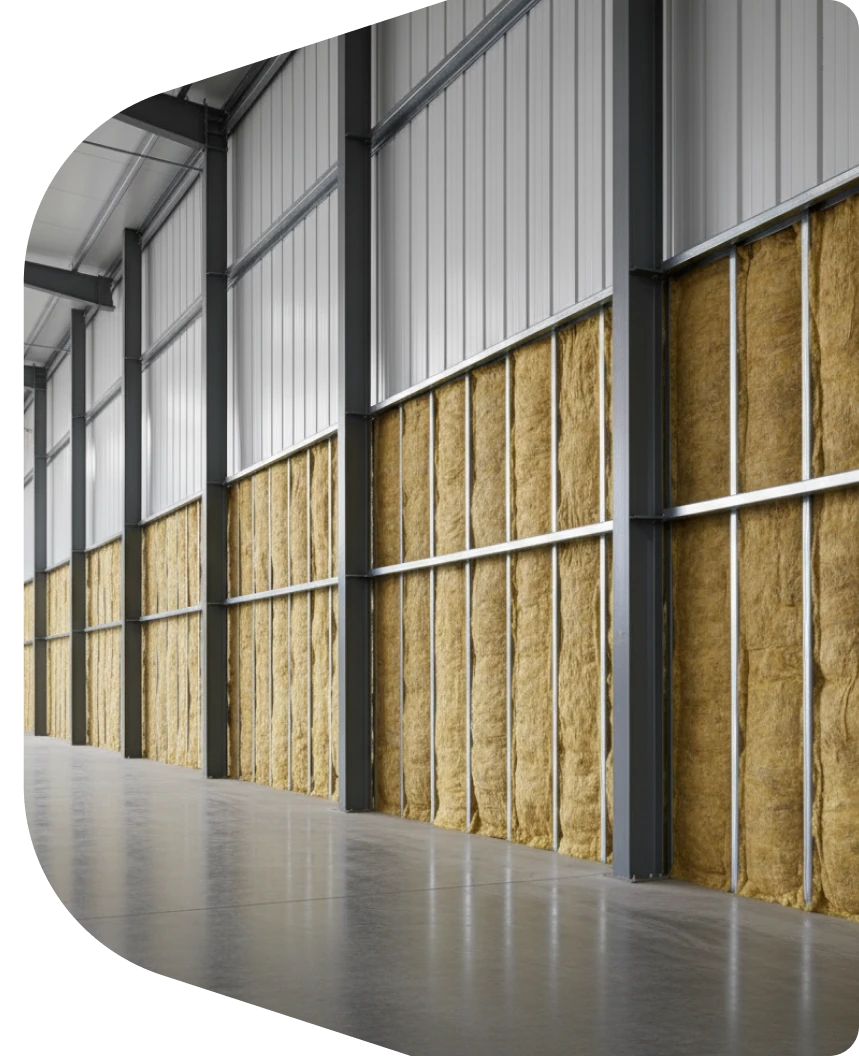
Fiberglass Batts and Blankets
The warehouse standard for walls and roof purlins, available with FSK or white vinyl facings.
Rigid Foam Board CI (Polyiso, XPS, EPS)
Continuous insulation for walls or roofs with approved attachment and cladding coordination.

Mineral Wool Batts and Boards
Non combustible thermal and acoustic insulation that holds performance at higher temperatures.

Cellulose Blow-In
Recycled fiber installed as loose fill or dense pack in cavities or overhead spaces, fire and pest treated.
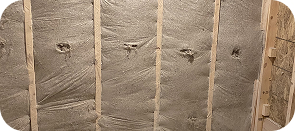
Radiant Barrier Foil
Multi layer foil with plastic scrim that reflects radiant heat under roof decks and along walls.

Spray Foam vs Fiberglass in Warehouses
- Strengths: excellent air seal, high R per inch, fills gaps and transitions, great for detail areas or condensation-risk zones
- Considerations: higher upfront cost, requires crew isolation during install, interior finish may need covering
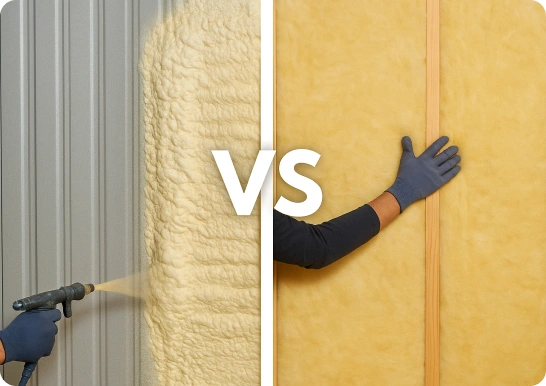
- Strengths: cost-effective, fast to install over large spans, familiar to inspectors, available with FSK or white vinyl facing
- Considerations: needs proper air and vapor control, performance depends on tight fit and detailing
179D Tax Deduction for Warehouse Insulation
Warehouses are one of the highest-opportunity building types for the IRS Section 179D deduction because of their large roof and wall surface areas. If a 50,000 sq ft warehouse qualifies at the full rate, it can generate over $280,000 in deductions in a single tax year. Keep in mind that construction must begin before June 30, 2026 to qualify under current law.

Deadline alert: Construction must begin before June 30, 2026 to qualify under current law.
Green Attic provides the project documentation your tax advisor needs to support a 179D certification claim.
Benefits of Warehouse Insulation


Commercial and Industrial
Properties We Serve

Office Buildings

Commercial Plazas

Medical / Hospitals

Manufacturing Facilities

Multi-Family Units

Metal Buildings

Warehouses

Institutional / Schools
Our Proven Process
Step 1: Plans & Scope Review
Step 2: Planning
Step 3: Installation
Step 4: Results
Frequently Asked Question
What is the best insulation for a warehouse?
For large spaces where value matters most, fiberglass batts or rolls are a popular, cost-effective choice, while rigid foam boards (Polyiso) are excellent for high-efficiency roofs and thermal performance. Many warehouses get the best overall results by combining insulation types and pairing them with good air sealing.
What is the cheapest way to insulate a warehouse?
Foam board panels (EPS or Polyiso) are another budget-friendly upgrade that can boost R-value when seams are sealed. In warm climates, a reflective radiant barrier can be a low-cost way to cut heat gain and improve comfort.
Will investing in better insulation reduce long-term operating cost?
Can I insulate an existing warehouse without tearing apart the roof or walls?
Popular choices include closed-cell spray foam for top performance and condensation control, reflective bubble insulation for fast heat reduction, and faced fiberglass blankets secured with pins or banding. These upgrades can quickly improve comfort, efficiency, and building durability with minimal disruption.
Can insulating my warehouse help meet corporate sustainability goals?
Better insulation reduces HVAC demand (often saving up to 50% on heating and cooling energy), which can support ESG targets and even contribute toward programs like LEED. It also creates a more consistent, comfortable environment for your team while improving long-term building efficiency.


